- Published: 17.03.2026.
Bačić: Rebuilding has been done at higher cost to reach better quality, safety
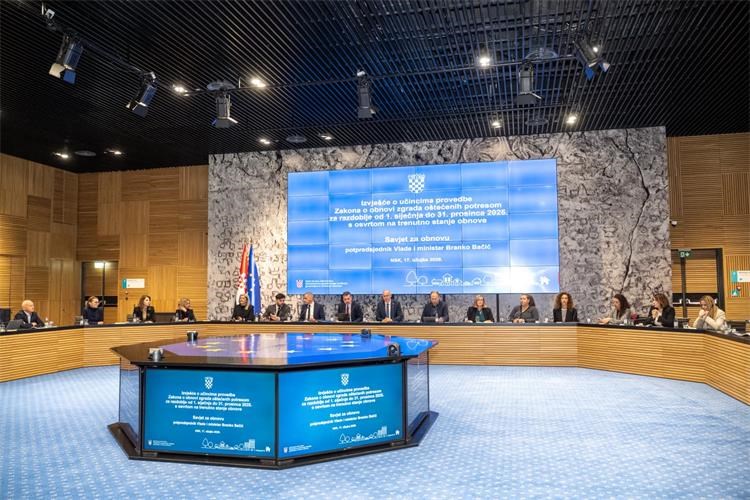
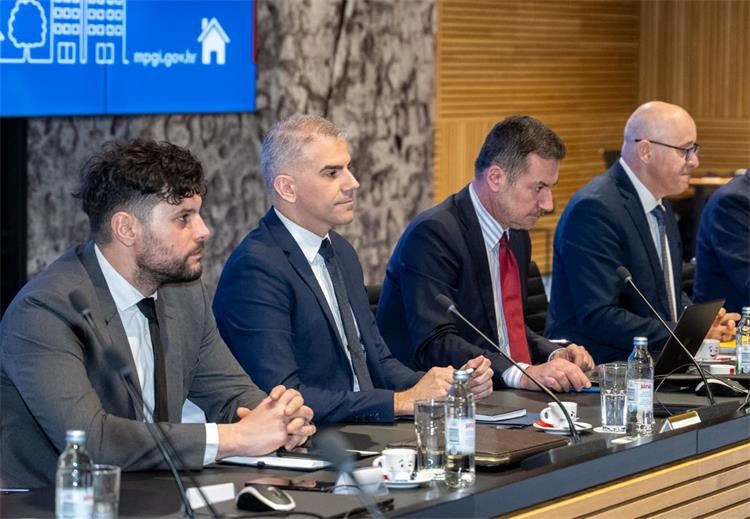
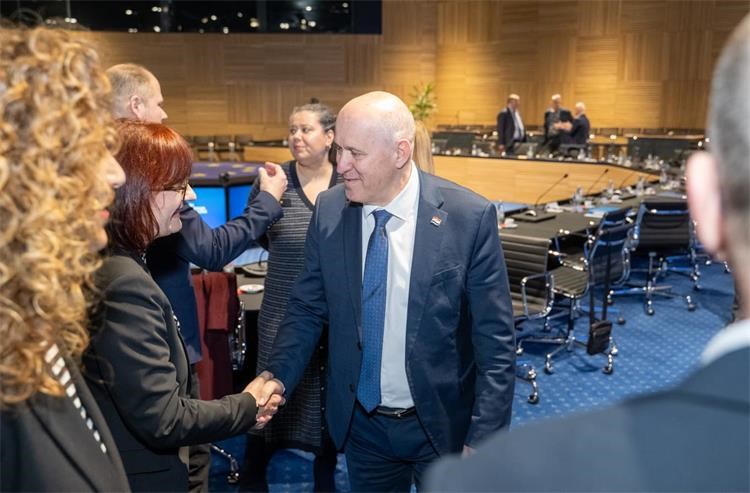
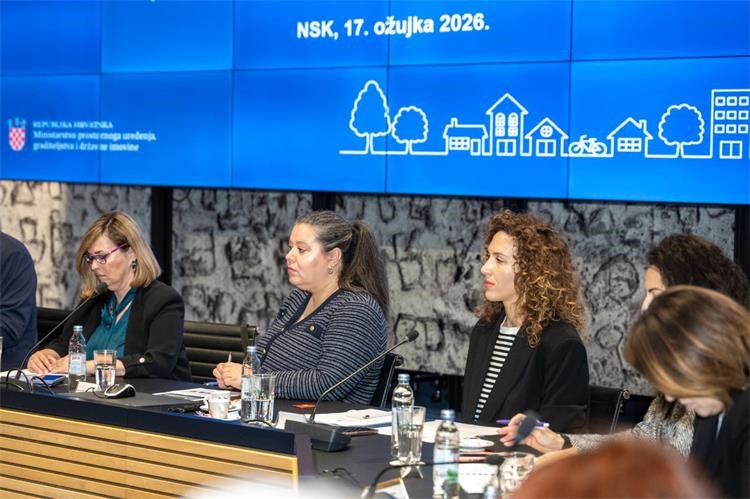
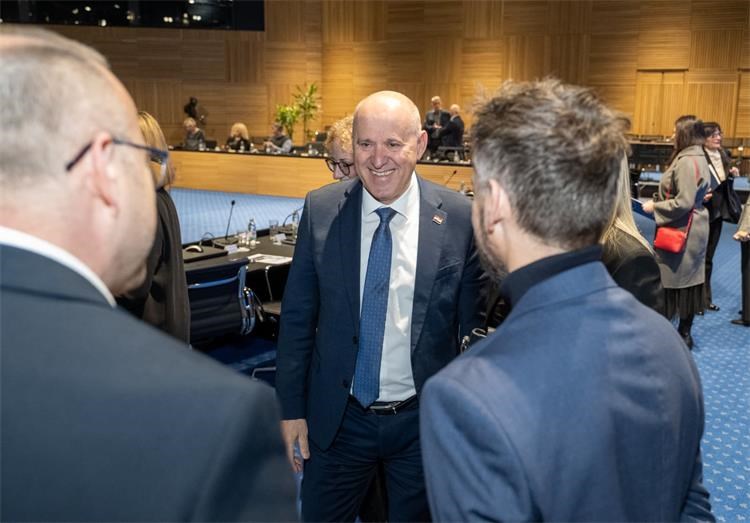
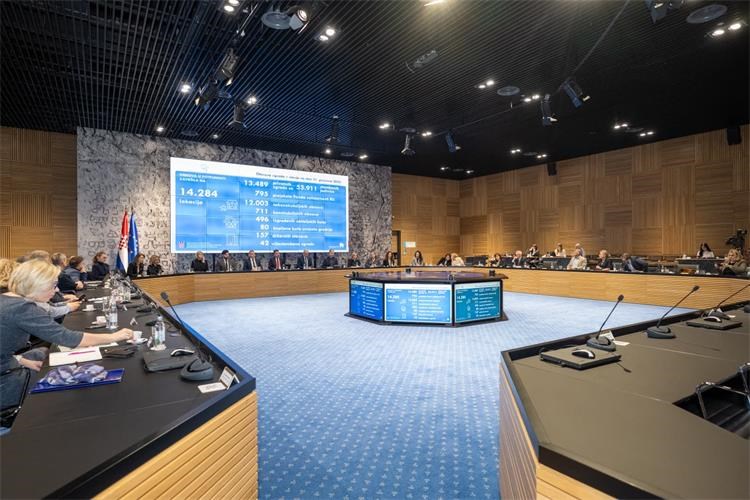
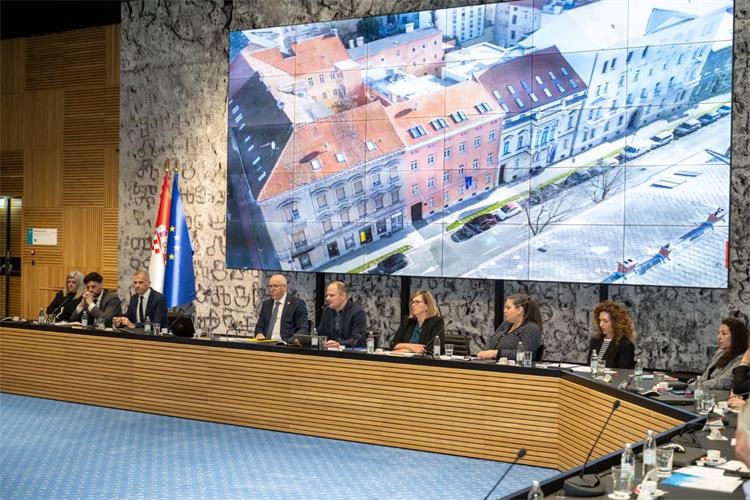
Hina - Minister of Physical Planning, Construction and State Assets Branko Bačić said on Tuesday after a Council for Reconstruction meeting that rebuilt buildings now meet high earthquake-resistance standards.
"While reconstruction is more expensive, it is also higher quality and safer," he added.Minister Bačić reported that around 14,600 sites have been completed, 55,000 housing units restored, and 1,800 sites are still under reconstruction across the Zagreb and Petrinja earthquake zones. Additionally, 512 family homes and 45 new apartment buildings have been built in Sisak-Moslavina County.
He highlighted the ongoing historic restoration of healthcare, educational, and cultural infrastructure, with €4.63 billion invested.
"We could have rebuilt faster if we had restored buildings to their previous state. But today these buildings and private homes are far more valuable. Modern earthquake-resistant construction is more costly, but it is more cost-effective in the long term," he said.
Around 4,330 locations still need reconstruction, expected to be completed by the end of this decade, with family homes finished as early as next year. He noted that global energy prices and rising construction costs remain the main challenges.
Professor Josip Atalić from the Zagreb Faculty of Civil Engineering, a Council member, welcomed the progress, praising the cooperation between experts and policymakers.
"I am truly proud of how this collaboration between experts and policymakers is progressing. Before the earthquake, many of my colleagues said it wasn’t working like this, but now I believe we are moving in a very good direction," said Atalić.
"We must now use this experience to establish a system for the future, learning lessons and building for our children," he said.
Minister Bačić also announced a new law, informally called the Disaster Law, designed to provide a broader response to all types of emergencies, which is expected to enter public consultation by year-end.
Irena Križ Šelendić, Director of the Energy Efficiency Authority, stated that 229 public buildings, including hospitals, universities, museums, and heritage sites, have been fully restored, improving structural resilience, energy efficiency, and extending their lifespan.
Mirjana Čagalj, Vice-President of the Croatian Chamber of Commerce for Construction and Transport, noted the sector has stabilised, with labour shortages offset by foreign workers who contributed significantly. She stressed the need to ensure the construction sector remains strong ahead of future major investments to avoid a repeat of the 2011 collapse of the construction sector.