- Published: 10.11.2025.
Conference on Technical Compliance and Financing of Construction of Sports Facilities held in Zagreb
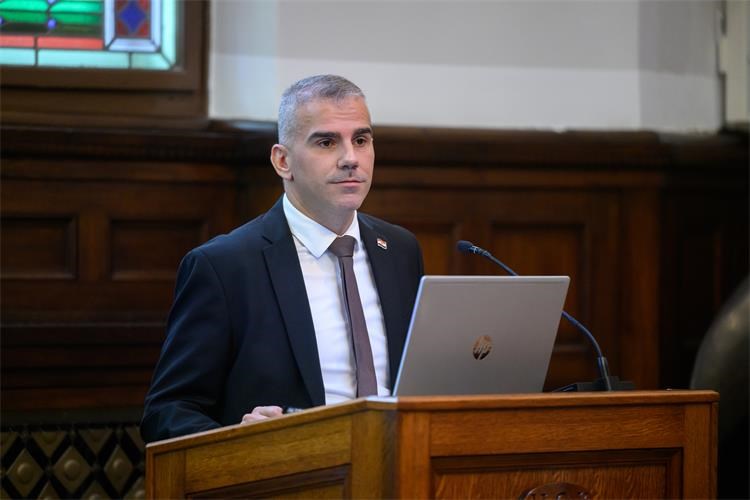
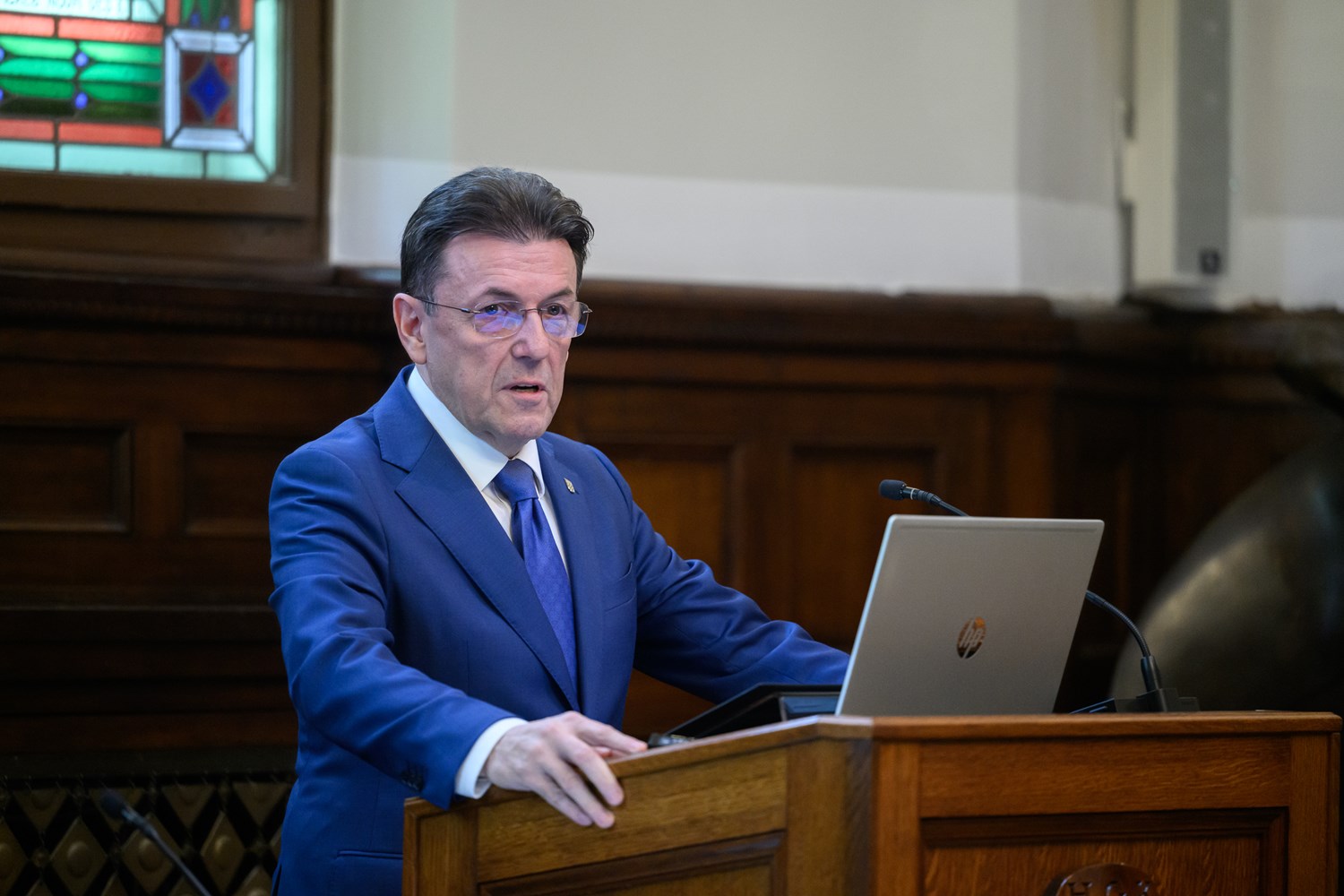
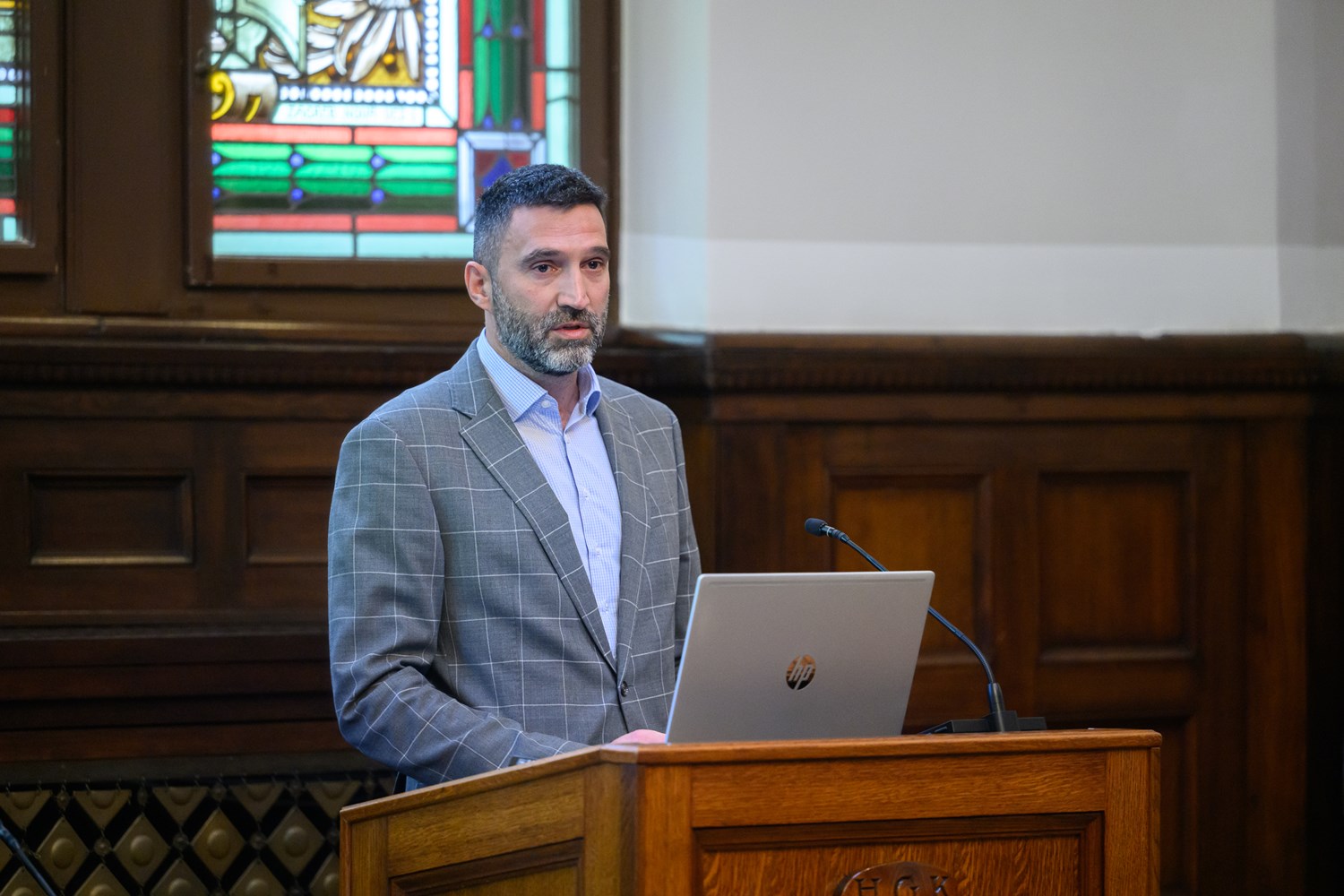
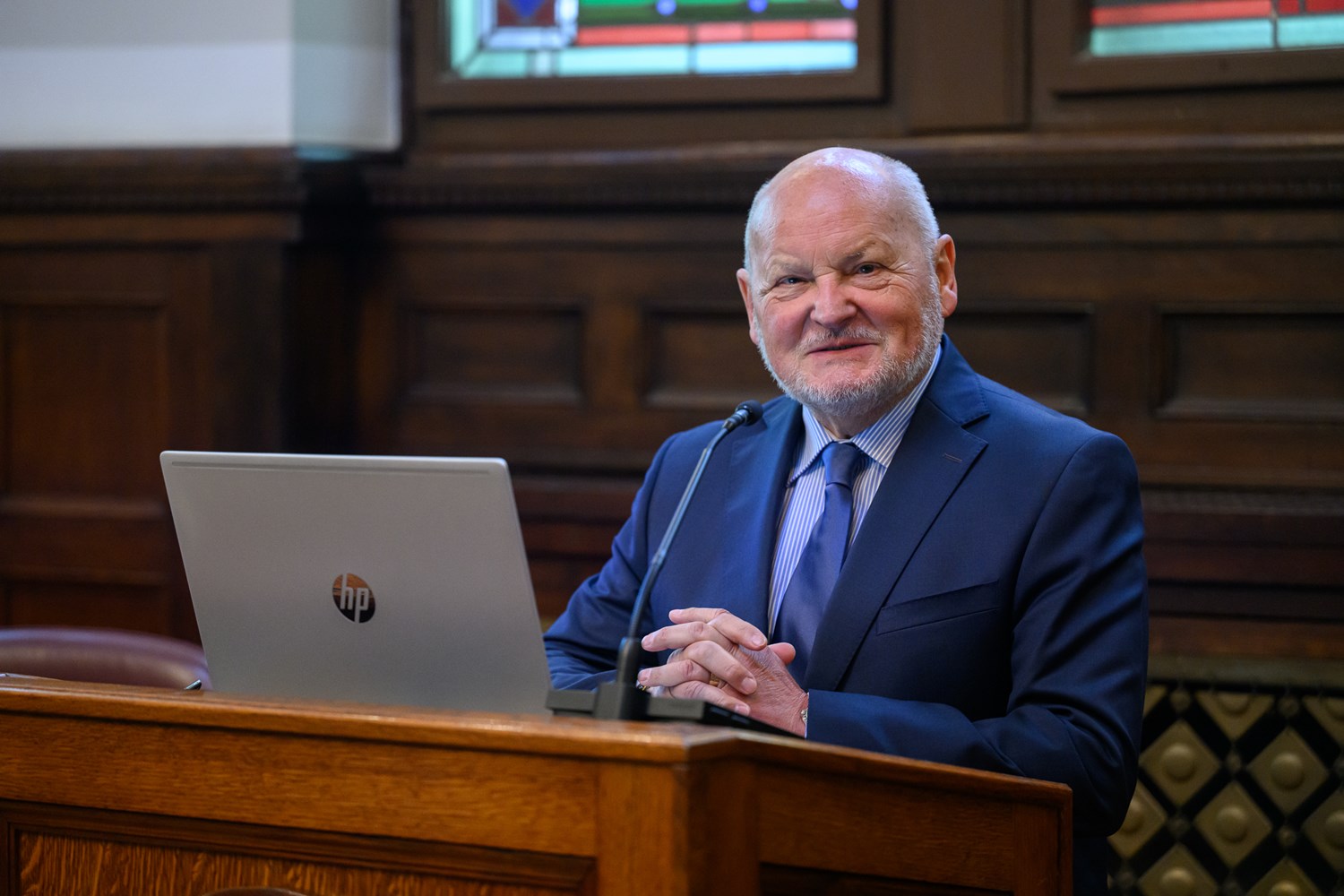
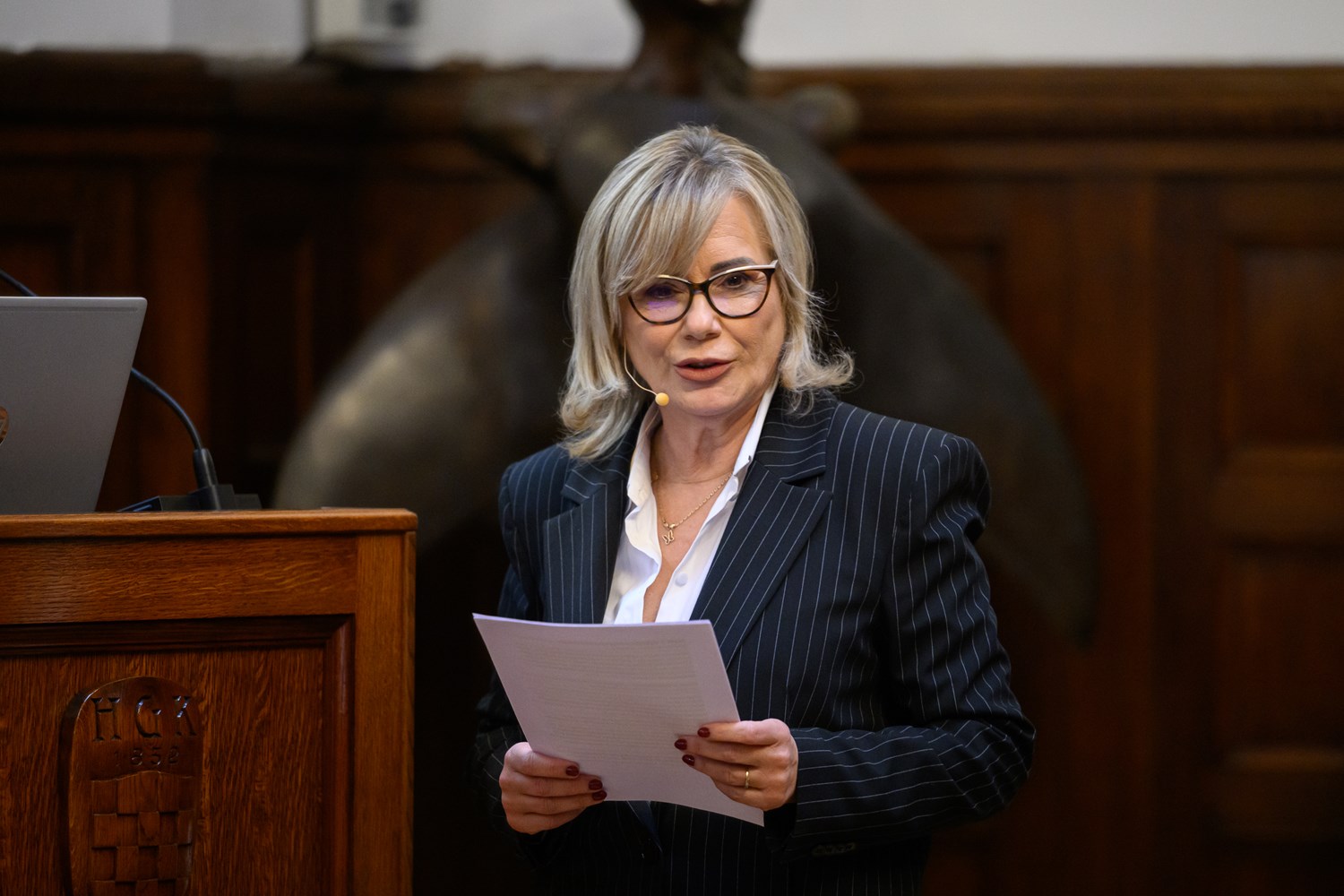
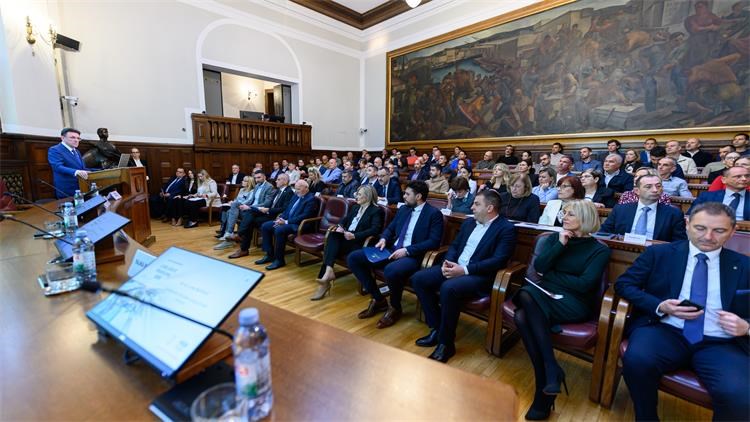
In cooperation with the Croatian Olympic Committee, the Croatian Chamber of Economy organised a conference called “In Accordance with the Rules of the Game: Technical Compliance and Financing of the Construction of Sports Facilities,” with the aim of exchanging knowledge and experience in the field of constructing sports infrastructure. The opening ceremony was also attended by State Secretary Tonči Glavinić.
In the Great Hall of the Croatian Chamber of Economy (CCE) in Zagreb, apart from State Secretary Tonči Glavinić, the audience was also addressed by President of CCE Luka Burilović, President of the Croatian Olympic Committee Zlatko Mateša and State Secretary at the Ministry of Tourism and Sport Josip Pavić.“We now enter the period of major investments in sports infrastructure. It is not an expense, but rather an investment that will pay off multiple times. It is not merely a question of concrete or sportsmanship. We are talking about investing in the entire community - in terms of culture and identity, education and healthcare. This is the kind of construction where we need to show our best. It is a message from us as a society - that sports, togetherness and health are high on our list of priorities,” President of CCE Burilović sad in his introductory speech.
President of the Croatian Olympic Committee Zlatko Mateša pointed out that the conference was held at just the right time, as the Government recognised the reconstruction of sports facilities and infrastructure as an important strategic dimension.
“Today we will emphasise the tendency that everything built or reconstructed complies with the regulations of international sports federations, so that we avoid the situation where our sports facilities are inadequate. The reconstruction of sports infrastructure must be carried out in the best possible way,” Mateša stated.
The goal of the conference, State Secretary Glavinić added, is to send a message on the importance of investing in and planning sports infrastructure.
“Substantial investments in sports infrastructure were carried out in 2008 and 2009 for the purpose of organising World Handball Championship. At the time, numerous stadiums were constructed - in Zagreb, Osijek and Split, which significantly changed the sports infrastructure landscape of the Republic of Croatia,” the State Secretary said.
He also recalled numerous investments in sports infrastructure carried out by the Government or in cooperation with local self-government units - the construction of the stadium in Osijek, the construction of the camp of the Croatian Football Federation, the reconstruction of Poljud stadium and the construction of Maksimir stadium.
“The importance we place on investments in sports infrastructure is also reflected in numbers - for 2025 we have awarded 112 contracts on reconstructing sports infrastructure worth 20 million euro. We will continue this tendency next year with, hopefully, an increased allocation for this purpose. Sports infrastructure is one of the prerequisites for engaging in sports, and, together with the support to national federations and clubs, it makes the foundation for the development of Croatian sport,” Pavić said.
Space as fundamental resource for project implementation
“Along with these large projects, we cannot neglect the small ones - school gyms and schoolyards, which are highly important for our young generations,” State Secretary Glavinić said and emphasised space as the key resource to implement all the projects.
“All new construction works must be carefully planned so that they are not only visually distinctive, but also harmoniously integrated into the environment, easily accessible and so that they, in turn, become one of the status symbols of the Republic of Croatia”, he said.
On that occasion, he recalled that the Ministry prepared a legislative package of three umbrella acts on physical planning, construction and energy efficiency in building construction, which will enter parliamentary procedure this week.
“The Physical Planning Act is particularly important for construction works intended for sports purposes, as it prescribes state interest for construction works of public and social infrastructure. This further emphasises the significance of sports and educational infrastructure,” Glavinić said, adding that a new feature refers to the development of expert studies orienting the development of spatial plans,” Glavinić said.
Furthermore, a new model of physical planning is introduced - the urban project, which “will enable faster implementation of sports projects and it will bridge lengthy changes to spatial plans, alignment of different levels of documentation, lengthy environmental impact assessments and complex procedures of issuing location permits,” he clarified.
Exchanging knowledge and experience through three theme panels
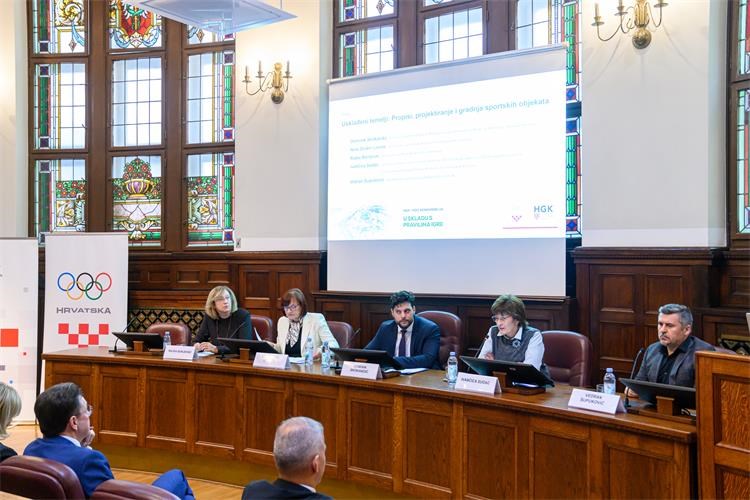
The one-day conference was intended to all those who participate in planning, designing, constructing and financing of sports objects, from representatives of the state and local self-government to designers, architects, sports federations and investors, with the aim of exchanging knowledge and experience in improving the normative framework and possibilities for financing sports infrastructure. As part of the conference, three theme panels were held.
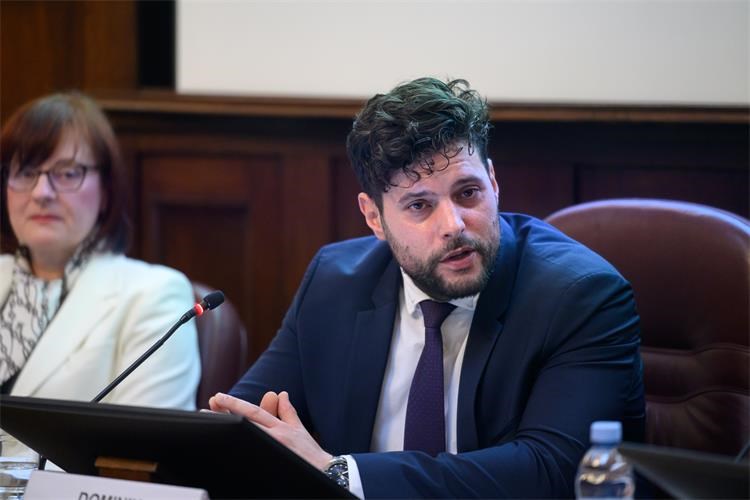
The first panel called “Aligned foundations: regulations, designing and construction” focused on the matter of aligning national regulations with the requirements of international sports organisations, in which special advisor to the Minister Dominik Skokandić also participated. The second panel addressed specific examples from practice and the impact of international standards on the possibilities of holding major sporting events, while the third one dealt with financing and challenges while preparing project documentation.
The conference gathered national experts, representatives of institutions and stakeholders in the field of sports, construction, architecture and public administration. A detailed conference programme is available here.