- Published: 06.02.2026.
Digital transformation is the foundation of long-term development, Croatia is almost completely digitally accessible country
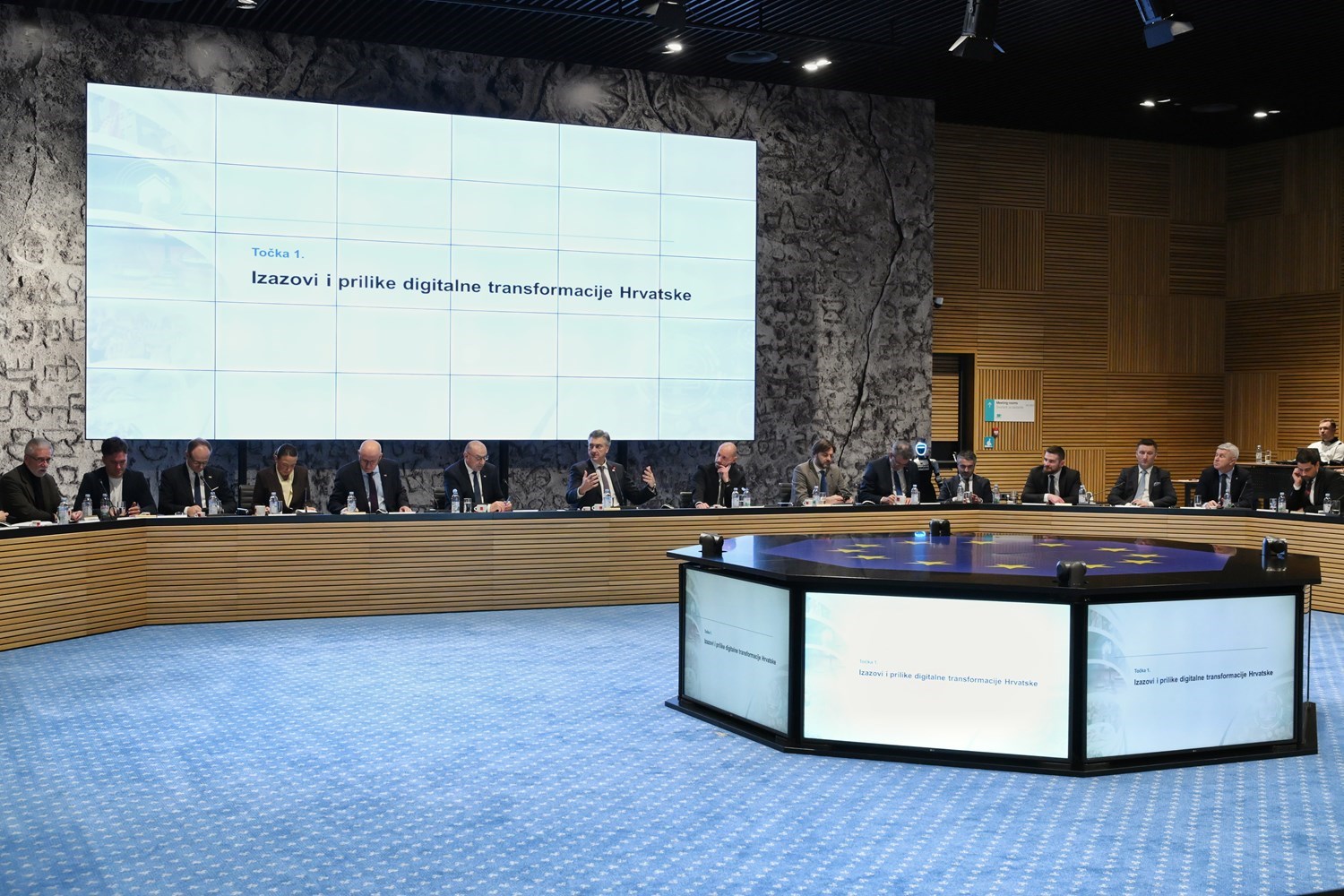
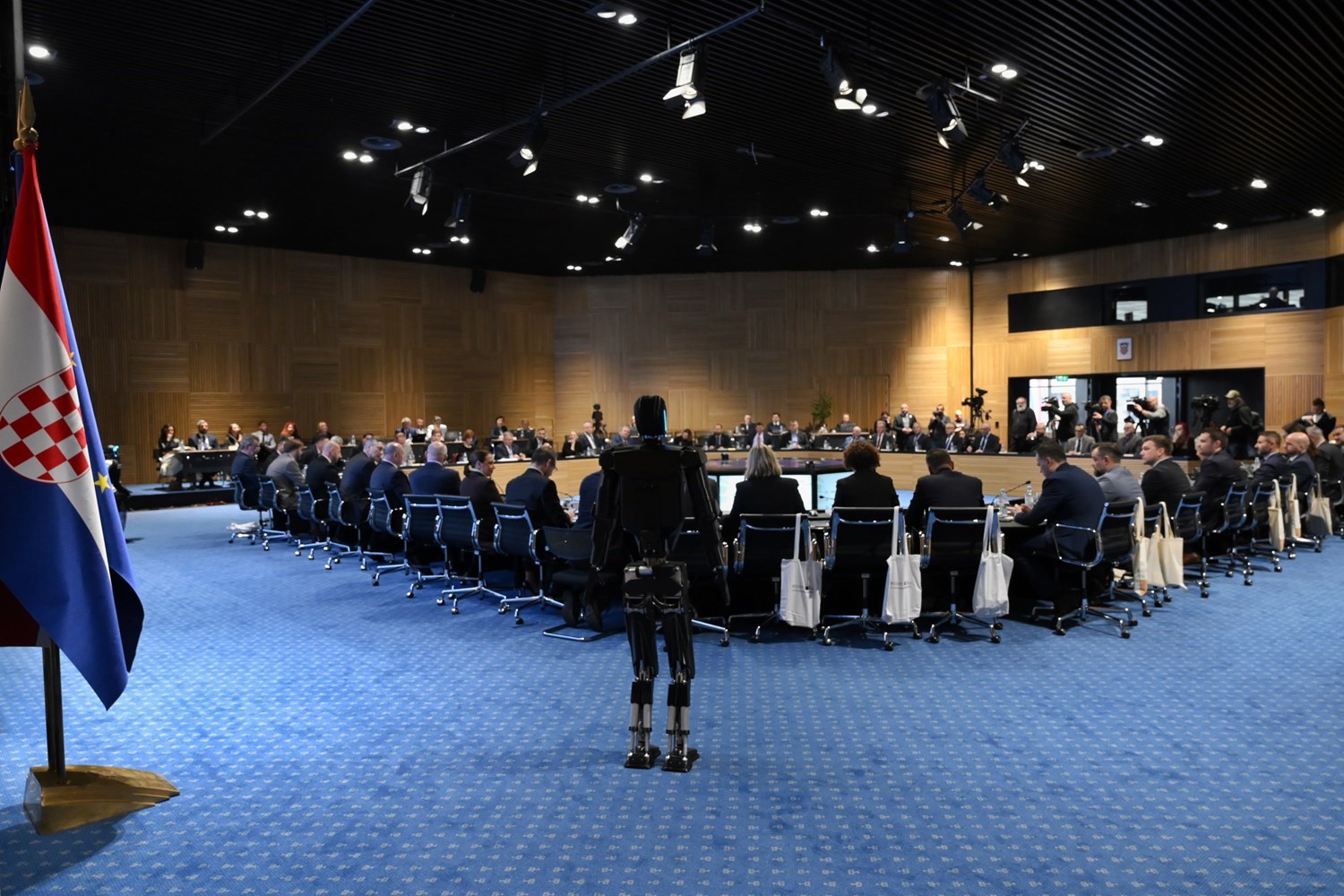
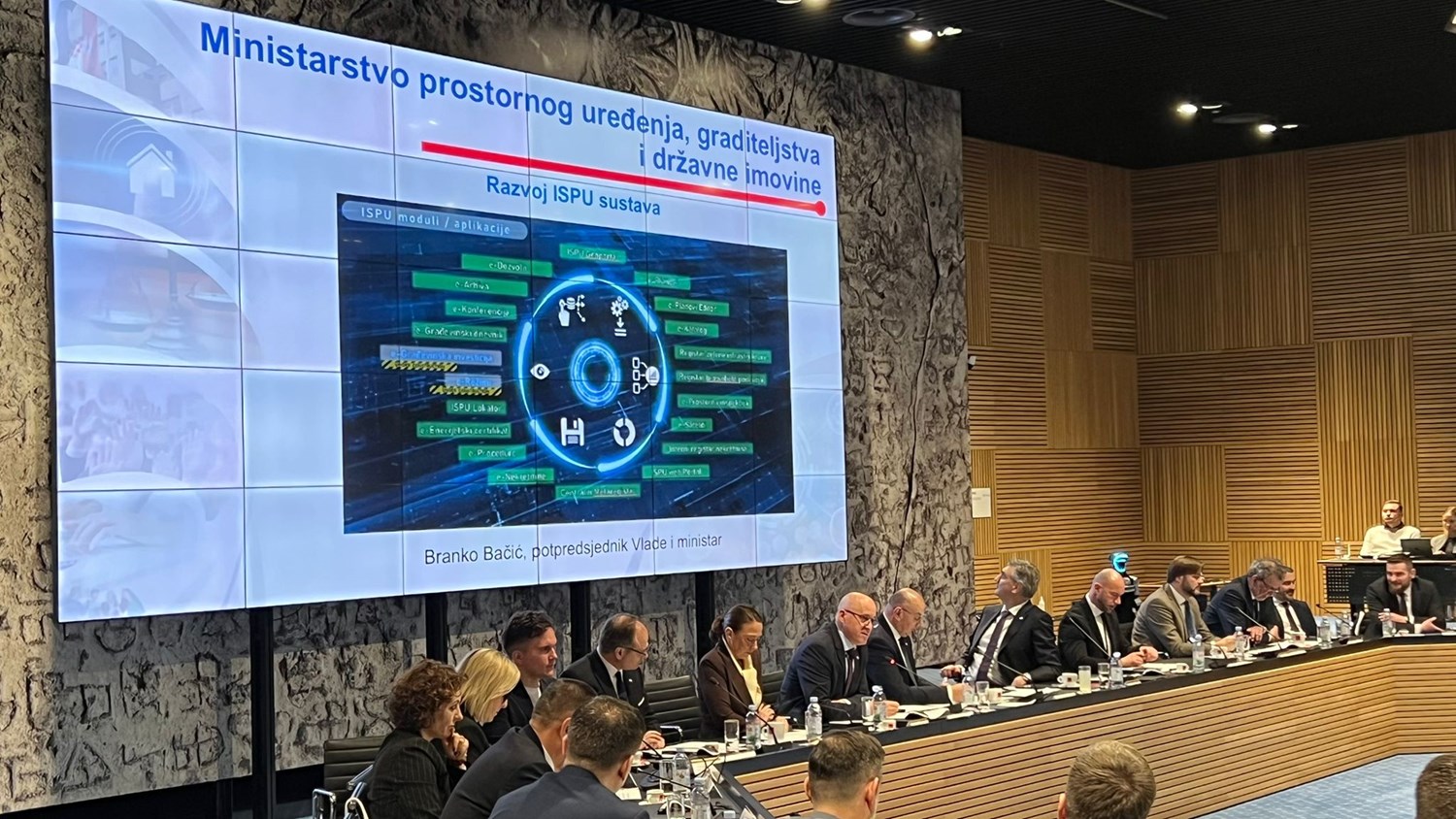
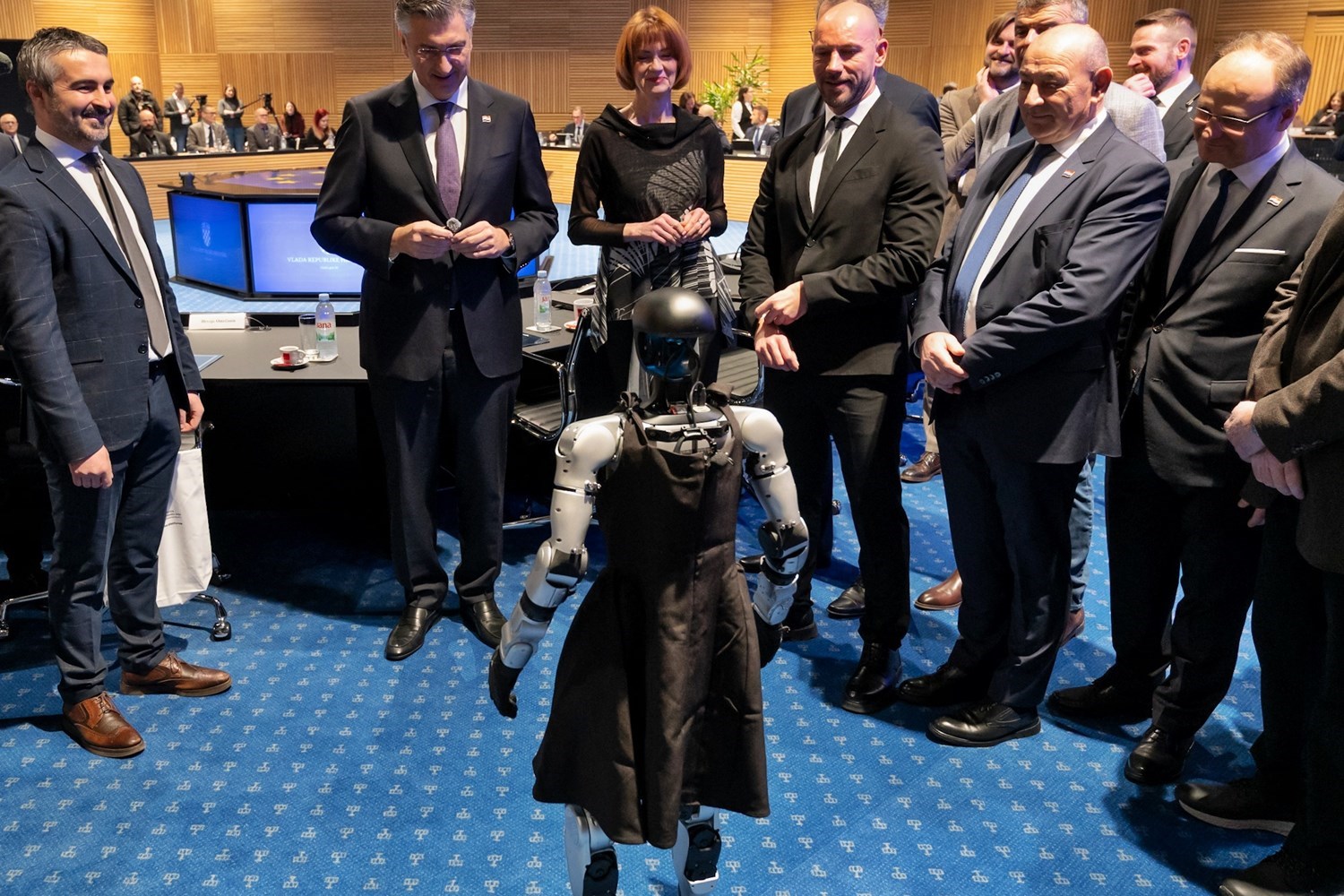
Croatia has made progress in digital transformation, with almost all parameters indicating performance at or above the EU average, officials said on Friday at the third session of the National Council for Digital Transformation, chaired by Prime Minister Andrej Plenković, who also announced the adoption of the National AI Development Plan until 2032.
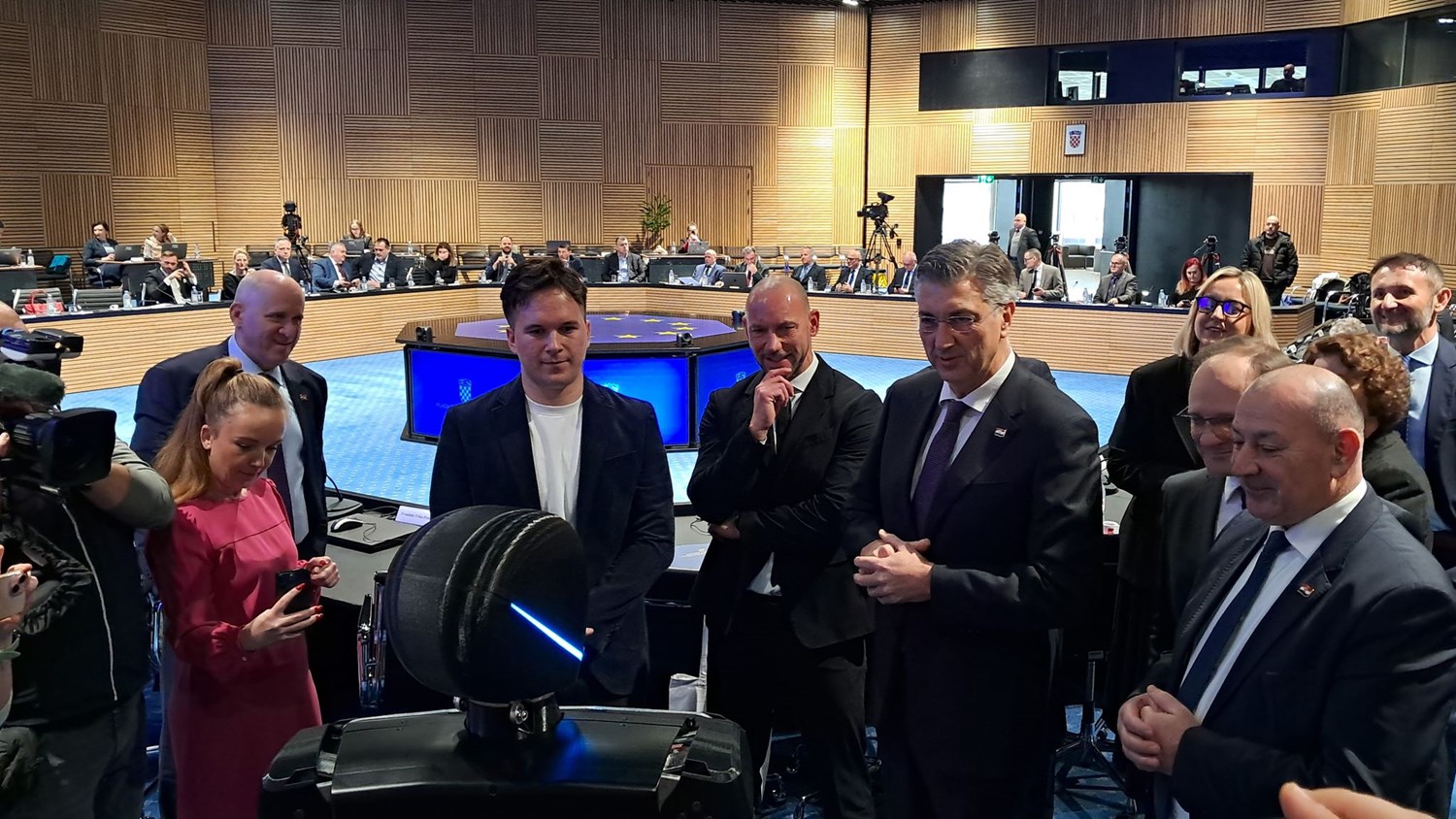
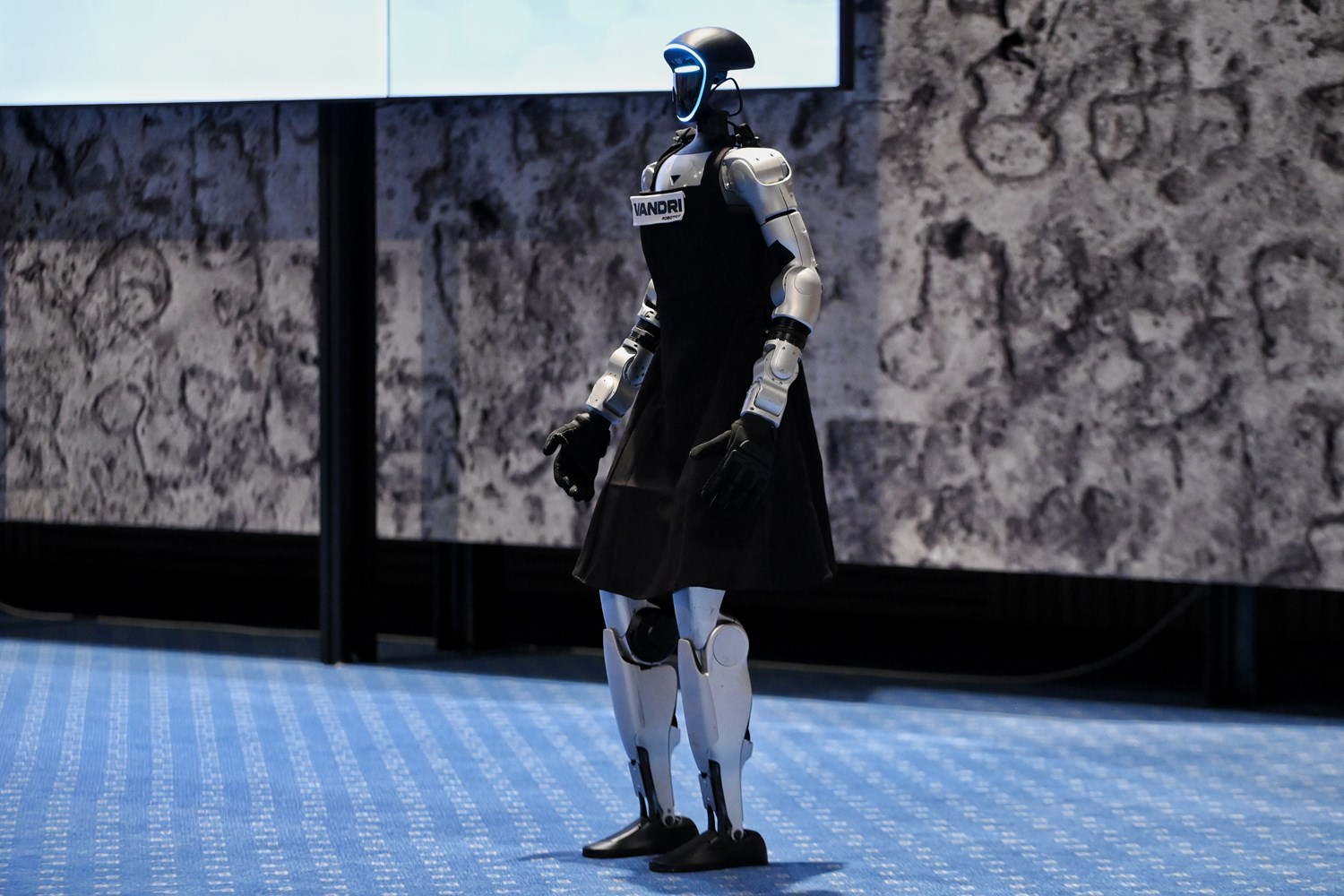
The National Council for Digital Transformation’s session was opened by the first humanoid robot Tonka, and attended by Rinno, the first prototype of a humanoid robot completely developed in Croatia. This unusual opening, the Prime Minister said, shows that young people in Croatia completely keep up with digital transformation, artificial intelligence and humanoid robotics.At the session, attended by all important stakeholders of public and private sectors from numerous areas, PM Plenković highlighted the importance of digital transformation for all society members, for higher productivity and standards, whereby Croatia also keeps up with global trends. The examples being, he added, two Croatian innovators and entrepreneurs from Imotski and Pakrac, who presented their humanoid robots Tonka and Rinno, developed in Croatia, who talked with the PM and greeted all participants through AI programmes.
Croatia as a digitally accessible country
"The most important thing is for our education system to produce high-quality experts who can participate in digital transformation, generating significant revenue and growth. In about 15 days, we will also attend the global AI summit in India, following last year’s summit in Paris,” Plenković said.
He noted that the Digital Transformation Strategy until 2032 is being well implemented, with ongoing monitoring of EU-level initiatives, including new digitalisation and cybersecurity legislation, and the upcoming EU digital package with a focus on AI for citizens and businesses.
"Digital development will impact not only education but all other systems. Already, 2.2 million citizens use the e-Citizens digital services, while around 110,000 use the m-Citizens system in just its first six months. Some 415 million data exchanges have been processed digitally, saving citizens about 400 million euro. This shows that the state is digitalising, we have reliable infrastructure, and Croatia is a digitally accessible country,” PM Plenković said.
Additional six data centres to be developed
He also highlighted "voluminous investments" in digital transformation exceeding 2.2 billion euro, particularly in building the fastest gigabit optical networks, putting Croatia above the EU average, according to the European Commission Digital Decade 2025 report.
Fiber-optic networks now reach 75% of Croatian households, while 5G coverage is at 94%, higher than the EU average, which is a significant improvement. In addition, e-Health and e-Administration services are used by 83% of citizens, also above the EU average.
The Prime Minister also noted progress in human resources and digital skills, with 59% of Croatian citizens now possessing them, compared with around 50% across the EU. ICT specialists account for 5% of total employment - more than 40,000 people - and this number is expected to grow.
Technological changes, he added, are ever faster due to AI application as well, and public awareness of AI applications and digital safety is very important, which is considered when developing plans.
AI has also increased the importance of data centres, of which Croatia currently has 66 -44 public and 22 commercial - with plans to build six more, Plenković said.
He identified cybersecurity and the protection of all segments of digital infrastructure -considered national critical infrastructure -as key challenges, along with strengthening the state's digital sovereignty.
National AI Development Plan soon under public consultation
Minister of Justice, Administration and Digital Transformation Damir Habijan announced that the draft National AI Development Plan until 2032, developed by over 150 experts, will soon be opened to public consultation and adopted this year.
Habijan outlined four main goals: strengthening digital skills and human capital, strong infrastructure, ethical AI use, and promoting AI research and applications in the economy, as well as six key sectors for AI application: public administration, healthcare, agriculture and environment, energy, transport and tourism.
He also stressed the importance of digital transformation for companies, particularly small and medium-sized enterprises - which are very important for competitiveness - and further investment of 53 million euro in the state Shared Services Centre from 2026 to 2029.
President of the IT Association at the Croatian Chamber of Commerce Alojzije Jukić said monthly net salaries in the sector have exceeded 2,000 euro, but employers are limited in further salary increases due to taxes and investment needs, while President of the Croatian Employers' Association's ICT sector Hrvoje Josip Balen noted the importance of a centralized national authority for AI oversight and implementation.
Both he and Siniša Đuranović, Hrvatski Telekom board member, stressed the need for greater public-private cooperation, as neither sector can achieve as much alone as they could together.
On connectivity and 5G coverage, Đuranović said progress was driven by major telecom investments but warned that further 5G development will require more base stations, as data traffic is now growing by 50% annually.
He called for easier permitting for infrastructure construction, particularly at the local level, and the removal of parafiscal charges on telecom right-of-way access, which hinders fast network investments.
"Although connectivity has improved, we lag behind the EU in network utilisation. Croatia has built and deployed 1.5 million fibre-optic connections, but only 500,000 are in use," Đuranović added.
Ministers Medved, Hristić, Ćorić, Bačić and Fuchs presented digital transformation examples from their respective ministries and sectors, together with several state secretaries and members of AI CroAI.
Source: Government/HINA